HEALDSBURG, CA — The Healdsburg City Council announced Friday that a new vision is taking hold of Healdsburg beginning in 2030.
Starting January 1, 2030, all storefronts will be required to sell only items that have either been previously used, or that, according to the ordinance, “clearly have some age to them, or have been owned by someone else already.”
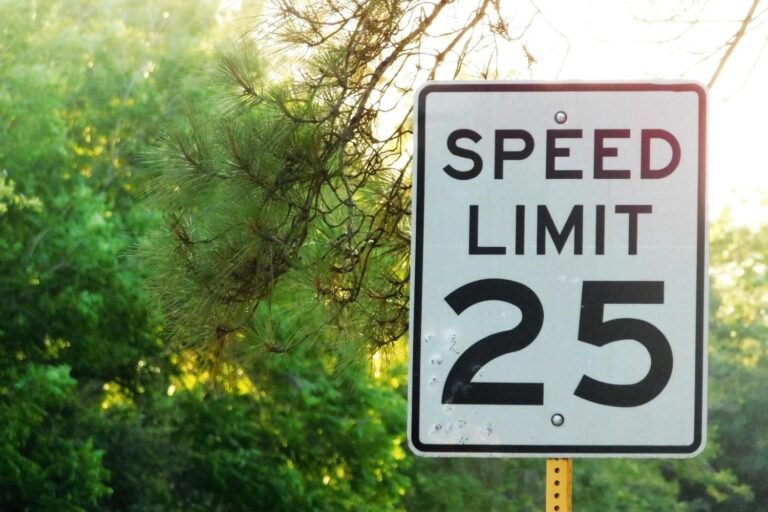
In a move described by one resident as “the worst thing to happen to Healdsburg since the speed limit changed,” the council has voted to piggyback off the success of antique stores in the area by making everything an antique store.
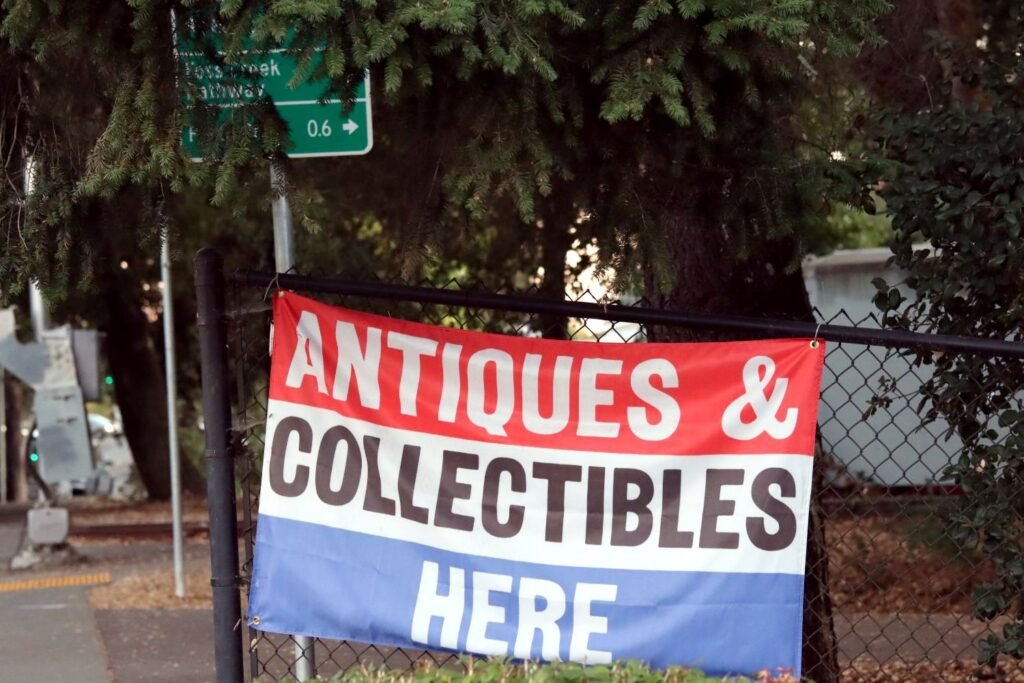
Healdsburg’s many antique stores have long been a fixture of the city’s unique identity. Starting January 1, 2030, the impact of the antique store in Healdsburg will be felt in areas much more consequential than your peripheral vision.
In a move few residents could have anticipated, antique store owners began collecting seats on the City Council one by one.
They charmed their way in and secured voter support with gifted armoires, Depression-era glassware, empty tin cans of early-1950s SPAM with the labels intact, wooden crates, old signs, and objects that nobody could identify but everyone agreed would “look great on a shelf.”
They did it quietly.
Out of a small survey of 10 Healdsburg residents, only one reported feeling that antique store owners had malicious intentions.
This respondent has declined to comment in this piece.
“When Shoffeitt’s started offering me Depression-era glassware and asked if I could ‘put in a good word,’ I didn’t think twice about what that would mean for the city,” one resident said. “Now, it’s all gone awry.”
The effects are already beginning to appear.
On Saturday, a couple from Marin haggled over a bunch of kale for 20 minutes before finally agreeing to have it shipped.
The kale had been labeled “late-period Sonoma County produce.”
Shipping cost $48.
At Big John’s Market, decades of fresh food to atone for have left the business facing some of the city’s strictest restrictions.
Beginning in 2030, Big John’s will be permitted to sell only World War II rations.
Each ration still includes its original four cigarettes, so anyone buying lunch now gets carded.
Several customers in their nineties have reportedly called this flattering.
The produce section will eventually reopen, although all fruits and vegetables must first demonstrate “visible signs of previous ownership.”
City officials have not yet explained what that means.
At Willi’s Seafood & Raw Bar, the fish will now be rated on Healdsburg’s newly established freshness scale:
- Fresh
- Previously Fresh
- Historic
- Extremely Questionable
“Extremely Questionable” is the highest grade available.
The warning at the bottom of the menu has also been updated:
“Consuming raw or undercooked shellfish may increase your risk of foodborne illness. These are from 1971.”
Other restaurants are adjusting as well.
One downtown café has reportedly replaced all of its regular plates with mismatched saucers sourced from estate sales.
Another has begun serving toast on reclaimed lumber.
The city initially raised concerns about splinters, but withdrew the complaint after learning the wood was French.
Pricing Guidelines
Perhaps the most controversial part of the new ordinance involves pricing.
City officials have approved two primary formulas for determining the value of old merchandise.
The preferred method is to determine what an item originally cost and then add the year it was manufactured.
An item that originally sold for 38 cents and was made in 1945, for example, would now cost $1,945.38.
“You do the math,” said one dealer.
The method has received strong support from antique store owners, particularly those who have spent the last 30 years waiting for somebody to buy a wooden duck.
The second approved method is to take the original price and add a zero.
This is considered significantly less popular among merchants who believe their trinkets are more valuable.
“A zero doesn’t really account for history,” said one shop owner while holding what appeared to be a spoon. “This spoon has lived.”
The spoon was priced at $675.
Price tags themselves will also be regulated.
Printed stickers will be discouraged.
Acceptable alternatives include handwritten cardstock, faded masking tape, string, twine, or small brown tags tied to objects in a way that makes customers nervous to pick them up.
Any item without a visible price will automatically cost more than expected.